

Anxiety vs. Depression: What You Need to Know in today’s fast-paced world, emotional struggles have become increasingly common, affecting millions of people globally. Among the most prevalent mental health challenges are Anxiety and Depression. These conditions often overlap, causing confusion and making it difficult for individuals to understand what they are truly experiencing. But despite their similarities, anxiety and depression are distinct mental health issues, each with its own set of symptoms, causes, and treatment options. Understanding the key differences and recognizing how they manifest can pave the way for better management and overall mental health well-being.
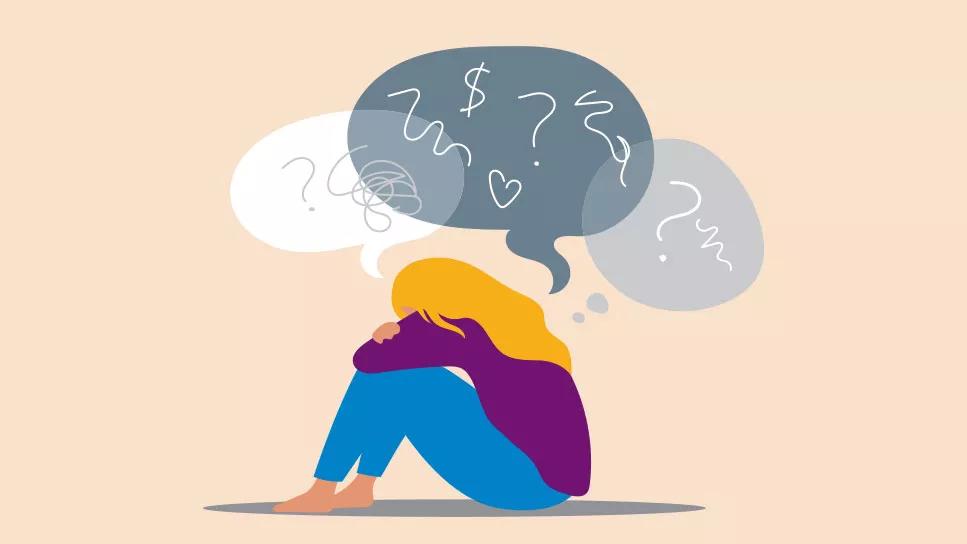
Defining Anxiety and Depression
At their core, both Anxiety and Depression involve complex emotional experiences. However, their symptoms, triggers, and impacts on daily life differ significantly. Let’s begin by breaking down each of these conditions.
Anxiety: The Persistent Worry
Anxiety is characterized by a constant sense of worry, fear, or unease, often about things that are out of our control. It is a natural response to stress, and in some situations, it can even be helpful—like when it motivates you to prepare for an important presentation. However, for some individuals, anxiety can spiral into chronic worry, interfering with daily activities and leaving them unable to enjoy life as they once did.
Common symptoms of anxiety include:
- Excessive worry about everyday situations
- Restlessness or feeling on edge
- Fatigue and trouble sleeping
- Irritability
- Difficulty concentrating or feeling like your mind is going blank
- Physical symptoms such as a racing heart, sweating, or dizziness
The root causes of anxiety can vary, but they often involve a combination of genetics, environmental stressors, and learned behaviors. Traumatic experiences, a family history of anxiety, or chronic stress are common contributing factors.
Depression: The Weight of Emptiness
On the other hand, depression is marked by persistent feelings of sadness, hopelessness, and a lack of interest in activities once enjoyed. Unlike anxiety, which is rooted in fear and worry, depression can create a pervasive sense of emptiness, leaving individuals feeling emotionally drained and disconnected from the world around them. It’s not simply about feeling “down” for a day or two—depression can interfere with every aspect of life, making it difficult to get out of bed, go to work, or even maintain relationships.
Key symptoms of depression include:
- Persistent feelings of sadness, hopelessness, or emptiness
- Loss of interest or pleasure in activities
- Fatigue or lack of energy
- Difficulty concentrating or making decisions
- Changes in appetite or weight
- Thoughts of death or suicide
The causes of depression are multifaceted, often involving a combination of biological, psychological, and environmental factors. Genetics, brain chemistry, trauma, or life-changing events such as the loss of a loved one or a major life transition can trigger depressive episodes.
How Anxiety and Depression Overlap
It’s common for individuals to experience Anxiety and Depression simultaneously, which can complicate diagnosis and treatment. This overlap is often referred to as “comorbid anxiety and depression,” and it can lead to a greater sense of distress.
Some of the shared symptoms between Anxiety and Depression include:
- Difficulty sleeping or changes in sleep patterns
- Feelings of restlessness or irritability
- Decreased energy or motivation
- Trouble concentrating
For many people, anxiety can lead to depression, and vice versa. For instance, chronic anxiety can wear down an individual’s mental resilience, leading to feelings of helplessness and, eventually, depression. On the flip side, the overwhelming sadness of depression can fuel anxious thoughts, particularly about the future.
Key Differences Between Anxiety and Depression
While Anxiety and Depression share some common symptoms, the key differences lie in the underlying emotions and experiences.
Emotional Focus
- Anxiety is primarily characterized by fear, worry, and a sense of impending doom. The focus is often on what could go wrong, creating a constant state of hyper-alertness.
- Depression, however, is primarily about a lack of hope, emptiness, and sadness. Individuals with depression often feel a profound sense of loss or disconnection from the world.
Physical Manifestations
Both conditions can cause physical symptoms, but the nature of these symptoms varies:
- Anxiety may result in heightened physical states, such as a racing heart, trembling, dizziness, and rapid breathing. These symptoms occur as a result of the body’s “fight-or-flight” response to perceived threats.
- Depression, on the other hand, is often linked to fatigue, changes in appetite (either overeating or loss of appetite), and overall physical sluggishness. Some people experience physical pain, such as headaches or muscle aches, as a result of depression.
Duration and Triggering Events
- Anxiety often stems from specific triggers—such as an upcoming event, a stressful situation, or a looming deadline. While anxiety can be chronic, it tends to ebb and flow depending on the situation.
- Depression can persist over a longer period, sometimes lasting weeks or even months. It’s not always triggered by specific events and can occur without any clear external cause.
Managing Anxiety and Depression
The good news is that both Anxiety and Depression are treatable, with a wide range of strategies available to help individuals manage symptoms and improve their quality of life.
Therapy and Counseling
Cognitive-behavioral therapy (CBT) has proven to be highly effective for both Anxiety and Depression. CBT helps individuals identify and challenge negative thought patterns, replacing them with more realistic and positive ones. In addition, talk therapy can provide a safe space for individuals to express their emotions and gain insights into their mental health.
Medication
For some individuals, medication may be necessary to manage Anxiety and Depression. Antidepressants, such as selective serotonin reuptake inhibitors (SSRIs), are commonly prescribed to address the chemical imbalances that contribute to both conditions. Anti-anxiety medications, such as benzodiazepines, may also be prescribed for short-term relief of acute anxiety symptoms.
Lifestyle Changes
Adopting healthier lifestyle habits can have a profound impact on managing both anxiety and depression:
- Regular physical activity, such as walking or yoga, can reduce anxiety and lift mood by increasing the production of endorphins.
- Mindfulness practices, such as meditation and deep breathing, can help individuals relax and center their thoughts, reducing feelings of anxiety and sadness.
- A balanced diet, sufficient sleep, and staying connected with supportive friends and family can also play a key role in improving overall well-being.
Support Networks
Whether through friends, family, or support groups, having a network of people to rely on can be incredibly valuable when dealing with Anxiety and Depression. Sharing experiences with others who understand can provide comfort, perspective, and a sense of belonging.
When to Seek Professional Help
While occasional feelings of anxiety or sadness are part of the human experience, there comes a time when these emotions become overwhelming and need professional attention. If you’re struggling with Anxiety and Depression, it’s essential to seek help when:
- Symptoms persist for weeks or months and interfere with daily life
- You feel hopeless, or your thoughts turn toward self-harm or suicide
- Your anxiety or depression is affecting relationships, work, or general functioning
- You find it difficult to manage symptoms on your own
Early intervention can lead to better outcomes, so don’t hesitate to reach out to a mental health professional for guidance and support.
Anxiety and Depression are two of the most common mental health conditions, yet they often get misunderstood or overlooked due to their overlapping symptoms. Recognizing the unique characteristics of each condition is essential for effective treatment and long-term management. Whether you are dealing with anxiety, depression, or both, remember that help is available. With the right tools, support, and professional assistance, it’s possible to regain control and lead a fulfilling, balanced life.


