

Beginner’s Guide to Starting Your First Home Workout embarking on the journey to a healthier, fitter version of yourself doesn’t require a gym membership or fancy equipment. If you’re new to fitness, starting with a Beginner Home Workout can be an empowering, accessible, and effective way to take control of your health. Whether your goal is to shed a few pounds, improve your strength, or simply move more, setting up a home workout routine is one of the most rewarding things you can do. In this guide, we’ll break down everything you need to know to get started, from basic exercises to creating a schedule that works for you.
Why Start a Beginner Home Workout?
Starting a Beginner Home Workout offers several advantages over traditional gym workouts. First, it’s incredibly convenient—you can work out whenever it fits into your schedule, and you don’t need to commute. Second, you save money on memberships, transportation, and possibly expensive gym equipment. Third, it removes the intimidation factor that many people feel when first walking into a gym, making it easier to stay consistent and focused.
The best part? You can start small and build momentum. All you need is a bit of space and the willingness to take the first step toward a more active lifestyle.
Understanding the Basics: What Is a Beginner Home Workout?
A Beginner Home Workout typically includes simple exercises that target major muscle groups, improve cardiovascular health, and enhance flexibility. These workouts don’t require any fancy gym equipment, making them ideal for people who are just starting their fitness journey.
You’ll find a mix of bodyweight exercises like squats, push-ups, and lunges, as well as stretches and low-impact moves that are easy on the joints. With a few modifications, you can progress to more challenging routines as your strength and endurance improve.
How to Start Your Beginner Home Workout Journey
Step 1: Set Clear, Achievable Goals
Before jumping into your Beginner Home Workout, it’s essential to define what you want to accomplish. Setting clear, specific goals will keep you motivated and on track. Your goals could range from losing weight to building muscle or simply improving overall fitness. Keep your goals realistic—start with small, attainable targets and gradually build as your fitness improves.
For example, you might aim to:
- Complete a 20-minute workout three times per week.
- Perform 10 push-ups without stopping.
- Increase your stamina by running for 10 minutes without rest.
Once you’ve set your goals, make sure they are measurable so that you can track your progress. Having a target gives you something to work toward and a sense of accomplishment when you reach it.
Step 2: Create a Space for Your Home Workouts
One of the great things about a Beginner Home Workout is that you don’t need much space. Find a quiet, comfortable area in your home where you can move freely. It doesn’t need to be large—just enough room for you to stretch your arms, legs, and perform basic movements. The living room, bedroom, or even a hallway could work perfectly.
Ensure that the space is free from distractions, so you can focus fully on your workout. Having a designated spot will also help you mentally prepare for your workout and make the process feel like a routine part of your day.
Step 3: Warm-Up Properly
Warming up before starting your Beginner Home Workout is essential. A good warm-up helps prepare your body for exercise, reduces the risk of injury, and gets your blood pumping. It’s best to spend 5-10 minutes performing gentle movements that increase your heart rate and warm up your muscles.
Some simple warm-up exercises include:
- Marching in place
- Jumping jacks
- Arm circles
- High knees
- Leg swings
The goal of your warm-up is to gradually increase your body temperature and loosen up your muscles, especially those you’ll be using during the workout. This will improve your performance and help you avoid muscle strains or sprains.
Step 4: Begin With Simple Exercises
As a beginner, it’s important to focus on mastering basic exercises first. You can always increase the intensity or add more variety as you progress, but starting simple helps you build proper form and technique.
Here are some basic Beginner Home Workout exercises to start with:
1. Squats
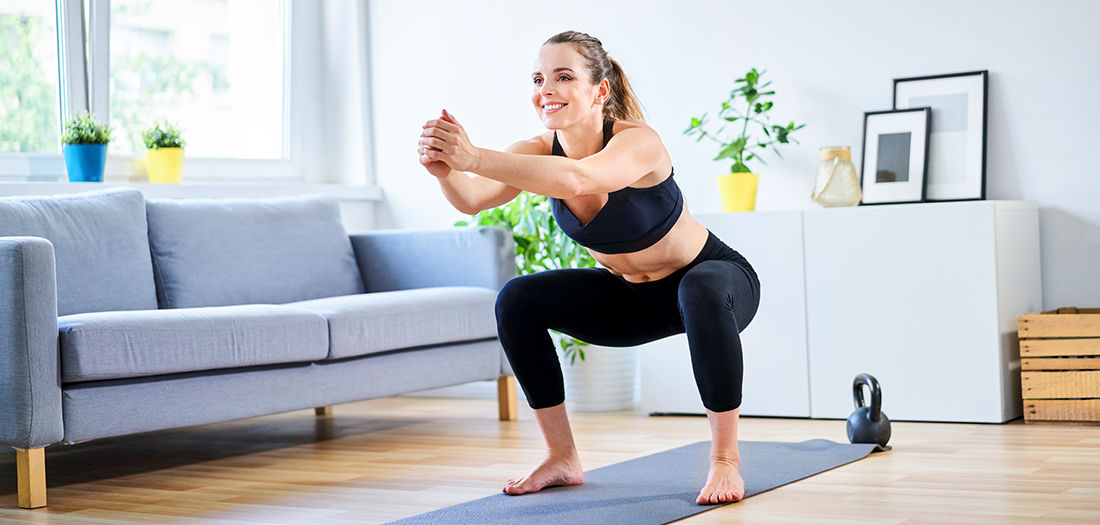
Squats are an excellent way to strengthen your legs and glutes. To perform a basic squat:
- Stand with your feet shoulder-width apart.
- Lower your hips as if you’re sitting in a chair, keeping your knees aligned with your toes.
- Keep your chest lifted and your back straight.
- Push through your heels to stand back up.
Aim for 2-3 sets of 10-15 repetitions.
2. Push-Ups
Push-ups are a great way to strengthen your upper body, especially your chest, shoulders, and triceps. If you’re new to push-ups, start with modified push-ups:
- Place your knees on the floor to reduce the amount of weight you have to push.
- Keep your hands shoulder-width apart and lower your body until your chest nearly touches the floor.
- Push yourself back up.
Start with 2 sets of 8-12 reps, and gradually increase the difficulty as you gain strength.
3. Lunges
Lunges target your legs and glutes. To do a basic lunge:
- Step forward with one leg, lowering your hips until both knees form 90-degree angles.
- Keep your chest lifted and your back straight.
- Push through the front heel to return to standing.
- Repeat on the other leg.
Try 2-3 sets of 10 reps per leg.
4. Planks
Planks engage your core, arms, and legs. Here’s how to do it:
- Lie face down, then lift your body off the ground onto your toes and forearms.
- Keep your body in a straight line from your head to your heels.
- Engage your core and hold the position.
Start by holding for 20-30 seconds and gradually increase the duration.
5. Glute Bridges
Glute bridges work your glutes, hamstrings, and lower back. To perform a glute bridge:
- Lie on your back with your knees bent and feet flat on the floor.
- Lift your hips toward the ceiling, squeezing your glutes at the top.
- Lower back down and repeat.
Do 2-3 sets of 10-12 reps.
Step 5: Cool Down and Stretch
After completing your Beginner Home Workout, it’s important to cool down. A cool-down helps reduce muscle tension and brings your heart rate back to normal. Spend 5-10 minutes performing gentle stretches to target the muscles you worked during your session.
Some effective stretches include:
- Hamstring stretch
- Quadriceps stretch
- Chest opener
- Shoulder stretch
- Lower back stretch
Take your time with each stretch, and focus on deep breathing to relax your muscles.
Step 6: Stay Consistent
Consistency is key when starting a Beginner Home Workout. Aim to exercise at least 3 times a week, gradually increasing the frequency and intensity as you get stronger. Track your progress and celebrate small victories along the way.
As your fitness level improves, you can begin incorporating more challenging exercises into your routine. Don’t be discouraged if you find some movements difficult at first—keep going, and you’ll see progress over time.
Step 7: Fuel Your Body with Proper Nutrition
To maximize the benefits of your Beginner Home Workout, nutrition plays a crucial role. Eating a balanced diet rich in fruits, vegetables, lean proteins, and whole grains will fuel your workouts and aid recovery. Drinking plenty of water before, during, and after your workout is also essential for staying hydrated.
Additionally, consider fueling up with a light snack 30-60 minutes before working out. Something like a banana or a handful of nuts can provide the energy needed to power through your session.
Step 8: Track Your Progress
Tracking your progress can keep you motivated as you see your improvements over time. You can track your workouts in a fitness journal or use apps that allow you to log your exercises and monitor your results. Whether it’s the number of reps you can do, the duration of your workouts, or how much stronger you feel, tracking progress can provide a sense of accomplishment.
Step 9: Listen to Your Body
Lastly, always listen to your body. If you feel pain (not to be confused with the natural discomfort of working muscles), it’s important to stop and assess the situation. Pushing through pain can lead to injury, so don’t hesitate to modify exercises or rest if necessary.
Starting a Beginner Home Workout is a great way to improve your health and fitness without stepping foot in a gym. By setting clear goals, creating a workout space, and consistently practicing simple exercises, you’ll build a strong foundation for a healthier lifestyle. Most importantly, enjoy the process! Fitness is a journey, and every step forward is progress. Keep challenging yourself and soon, you’ll see just how much you’re capable of achieving from the comfort of your own home.


