

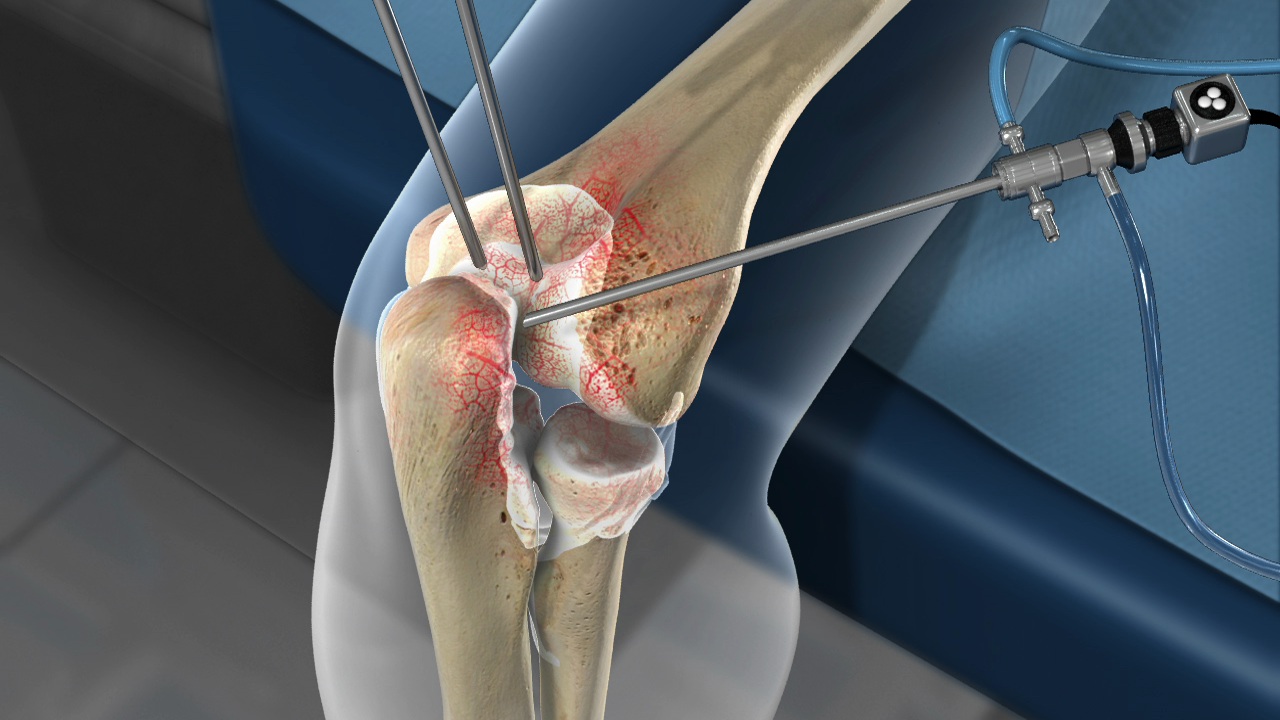
The elbow is a complex joint, essential for a wide range of daily activities, from lifting and carrying to typing and sports performance. When injuries, chronic conditions, or degenerative issues affect this joint, pain and reduced mobility can significantly impact quality of life. Orthopedic elbow surgeons specialize in diagnosing and treating these conditions, providing expert care that supports optimal recovery. Understanding when to seek their services is crucial for ensuring long-term function and minimizing complications.
Common Conditions Requiring Orthopedic Elbow Surgeons
Various conditions can affect the elbow, necessitating consultation with orthopedic elbow surgeons. Sports injuries, such as tennis elbow (lateral epicondylitis), golfer’s elbow (medial epicondylitis), or ligament tears, are common reasons for seeking specialized care. These injuries often result from repetitive motion, overuse, or acute trauma and can cause significant discomfort and functional limitations.
Fractures and dislocations are another category of elbow injuries that require prompt attention. Complex fractures involving bones such as the radius, ulna, or humerus often need surgical intervention. Orthopedic elbow surgeons possess the expertise to realign bones, stabilize the joint, and restore proper function through advanced surgical techniques.
Degenerative conditions, including osteoarthritis and rheumatoid arthritis, can also impact the elbow. These conditions gradually wear down cartilage, leading to stiffness, pain, and reduced range of motion. Orthopedic elbow surgeons evaluate the extent of joint damage and determine whether conservative treatments like physical therapy or medications are sufficient, or if surgical procedures such as joint replacement are necessary.
Signs You Should Seek Consultation
Recognizing the signs that indicate a need for specialized care is essential. Persistent pain that does not improve with rest, ice, or over-the-counter medications is a clear indicator. Swelling, bruising, or a noticeable deformity of the elbow may suggest fractures or ligament injuries requiring professional evaluation.
Loss of strength or range of motion is another sign that consulting orthopedic elbow surgeons is advisable. Difficulty in performing everyday tasks, such as lifting objects or bending the elbow, may indicate underlying structural problems. Numbness, tingling, or weakness in the hand or arm can signal nerve involvement, requiring specialized diagnostic assessment.
Early consultation is particularly important following acute injuries. Prompt evaluation by orthopedic elbow surgeons can prevent complications, ensure proper healing, and reduce the risk of long-term disability. Even in cases of chronic pain, timely assessment allows for early intervention and personalized treatment planning.
The Role of Orthopedic Elbow Surgeons in Treatment
Orthopedic elbow surgeons provide comprehensive care that ranges from diagnosis to post-treatment rehabilitation. Diagnostic procedures may include X-rays, MRI scans, CT scans, or ultrasound imaging to assess bone, ligament, and soft tissue integrity. Accurate diagnosis is crucial for developing an effective treatment plan tailored to the patient’s specific condition.
Treatment approaches may vary depending on the severity and type of condition. Non-surgical options, such as physical therapy, bracing, anti-inflammatory medications, or corticosteroid injections, are often the first line of intervention. These measures aim to reduce pain, improve function, and support the healing process.
When surgery is necessary, orthopedic elbow surgeons employ advanced techniques to restore joint function. Procedures may include fracture fixation, ligament repair, tendon reconstruction, or total elbow replacement. Surgeons focus on precision and minimally invasive methods when possible, promoting faster recovery and minimizing complications.
Rehabilitation and Recovery
Post-treatment rehabilitation is a critical component of successful recovery. Orthopedic elbow surgeons work closely with physical therapists to develop individualized rehabilitation programs that restore strength, flexibility, and function. Gradual progression of exercises ensures that the elbow heals properly while minimizing the risk of re-injury.
Recovery timelines vary based on the type of injury or surgery performed. Minor procedures may require only a few weeks of rehabilitation, while complex surgeries such as joint replacement may require several months of therapy. Orthopedic elbow surgeons monitor progress, adjust treatment plans as needed, and provide guidance to ensure optimal outcomes.
Beyond physical recovery, surgeons also educate patients on preventive measures to avoid future injuries. Proper ergonomics, exercise routines, and activity modifications are part of a comprehensive approach to long-term joint health. This proactive guidance empowers patients to maintain mobility and reduce the likelihood of recurring problems.
When Early Consultation Makes a Difference
Early consultation with orthopedic elbow surgeons can significantly impact the success of treatment. Delayed evaluation may allow minor injuries or degenerative changes to worsen, making treatment more complicated and recovery longer. Seeking professional guidance promptly ensures accurate diagnosis, appropriate intervention, and a structured recovery plan.
Athletes, manual laborers, and individuals with physically demanding lifestyles particularly benefit from early consultation. Prompt attention allows for tailored strategies that minimize downtime and restore peak performance. Similarly, older adults with age-related degenerative conditions gain improved quality of life and sustained joint function through timely care.
Family and caregivers should also be aware of the signs that warrant consultation. Pain, swelling, and restricted movement are not normal aging symptoms and should be addressed by orthopedic elbow surgeons to prevent deterioration and maintain independence.
Choosing the Right Orthopedic Elbow Surgeon
Selecting a qualified and experienced orthopedic elbow surgeon is essential for effective treatment. Look for surgeons with specialized training in elbow procedures, board certification, and a proven track record of successful outcomes. Referrals from primary care physicians or trusted healthcare providers can also guide the selection process.
Communication and trust are key factors. A good orthopedic elbow surgeon takes the time to explain the diagnosis, treatment options, and expected outcomes. Collaborative decision-making ensures that patients feel informed and confident in their care plan.
Facilities with state-of-the-art equipment and multidisciplinary teams provide additional support, including advanced imaging, rehabilitation services, and post-surgical care. Comprehensive care centers often deliver the best results for both acute injuries and chronic conditions affecting the elbow.


