

The beauty industry continues to grow rapidly, and at the heart of this growth is the increasing demand for skin care professionals. More people are turning to estheticians for treatments that enhance appearance, improve skin health, and build confidence. For those considering a career in this field, enrolling in an esthetics skin care school offers the education and training needed to succeed. These schools provide not only technical skills but also the knowledge and professionalism required to thrive in a competitive industry.
The Importance of Professional Training
While passion for beauty is a great starting point, becoming a skilled esthetician requires specialized education. An esthetics skin care school prepares students for licensing requirements and equips them with techniques that meet industry standards. From facials and exfoliation to advanced treatments like chemical peels and microdermabrasion, the training covers a wide range of services that clients expect.
Professional training also emphasizes the science behind skin care. Students learn about anatomy, skin conditions, and product chemistry, which allows them to tailor treatments to individual client needs. Understanding how different skin types react to products or procedures is critical for delivering safe and effective services. This scientific foundation sets trained estheticians apart from those with only informal knowledge.
Beyond hands-on techniques, schools also provide instruction in client communication and professional ethics. Estheticians often act as trusted advisors, so building confidence and rapport is an important part of the job. Training programs ensure that graduates not only perform treatments but also offer guidance and create welcoming environments where clients feel cared for.
Skills and Opportunities Gained Through Esthetics School
The curriculum at an esthetics skin care school is designed to prepare students for a wide range of opportunities. Graduates can pursue careers in spas, salons, medical settings, or even start their own businesses. The flexibility of this profession is one of its most appealing aspects.
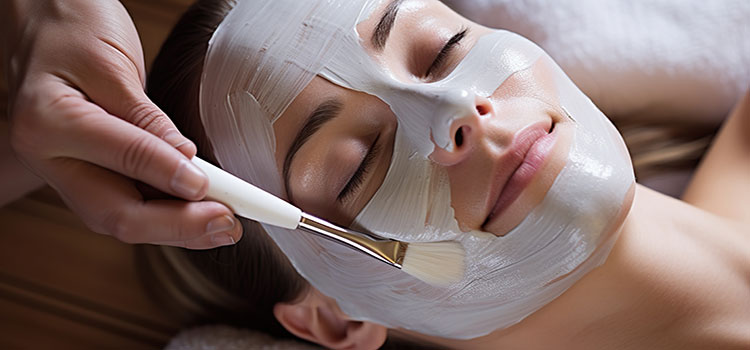
Students gain practical skills in core areas such as cleansing, exfoliation, massage, and mask application. They also practice specialized treatments, including waxing, lash extensions, and advanced skin therapies. The exposure to multiple techniques ensures that graduates are versatile and able to adapt to client demands.
Another key component is preparation for state licensing exams. Since most regions require estheticians to be licensed, schools integrate exam preparation into their programs. This includes not only the theoretical knowledge but also the practical demonstrations necessary to meet state standards.
Graduates of esthetics programs also leave with a deeper understanding of the business side of the beauty industry. Schools often provide training in customer service, appointment scheduling, retail sales, and marketing. For those who want to open their own practice or spa, this knowledge is invaluable. It ensures that they can manage both the creative and operational aspects of their careers.
Why Choosing the Right School Matters
Selecting the right esthetics skin care school is a critical decision that shapes the quality of education and future career success. Accreditation, curriculum depth, and instructor experience all play important roles in determining whether a program is effective. Schools with experienced instructors provide mentorship and real-world insight that enrich the learning process.
Facilities also matter when evaluating options. Well-equipped training centers with up-to-date technology give students the chance to practice with tools they will use in their professional careers. Access to a diverse clientele during training helps students gain confidence in addressing different skin types and conditions.
Location and scheduling flexibility may also influence the choice of school. Many students balance education with work or family responsibilities, so programs that offer evening or part-time classes can be especially beneficial. Tuition and financial aid options are additional factors to consider, as affordability should align with long-term career goals.
Building a Future in Skin Care and Wellness
Graduating from an esthetics skin care school is more than just earning a credential; it is the beginning of a rewarding career in a thriving industry. Demand for estheticians continues to grow as more people prioritize self-care and wellness. This creates opportunities not only in traditional spas and salons but also in medical settings where skin care intersects with health.
A career in esthetics also offers the potential for independence. Many professionals choose to start their own businesses, creating unique services and building loyal client bases. With the foundation of professional training, graduates are prepared to adapt to industry trends, introduce new treatments, and continue growing their expertise.
Ultimately, the decision to attend an esthetics skin care school is an investment in both personal and professional growth. It provides the technical training, scientific knowledge, and business skills needed to build a sustainable career. More importantly, it opens doors to a profession dedicated to helping others feel confident, healthy, and beautiful.


